Recent Post



Lightweight, Intelligent, and Practical: The Design Philosophy Behind A15 AI Smart Glasses
Ya Cao
Jan 21, 2026
When it comes to wearable technology, design is not just about aesthetics—it directly affects whether a product becomes part of daily life or ends up unused. The A15 AI Smart Glasses are built on a clear design philosophy: technology should adapt to people, not the other way around.
Rather than aiming for futuristic visuals or experimental displays, the A15 focuses on balance—between comfort and durability, intelligence and simplicity, form and function.

Built to Feel Like Regular Glasses
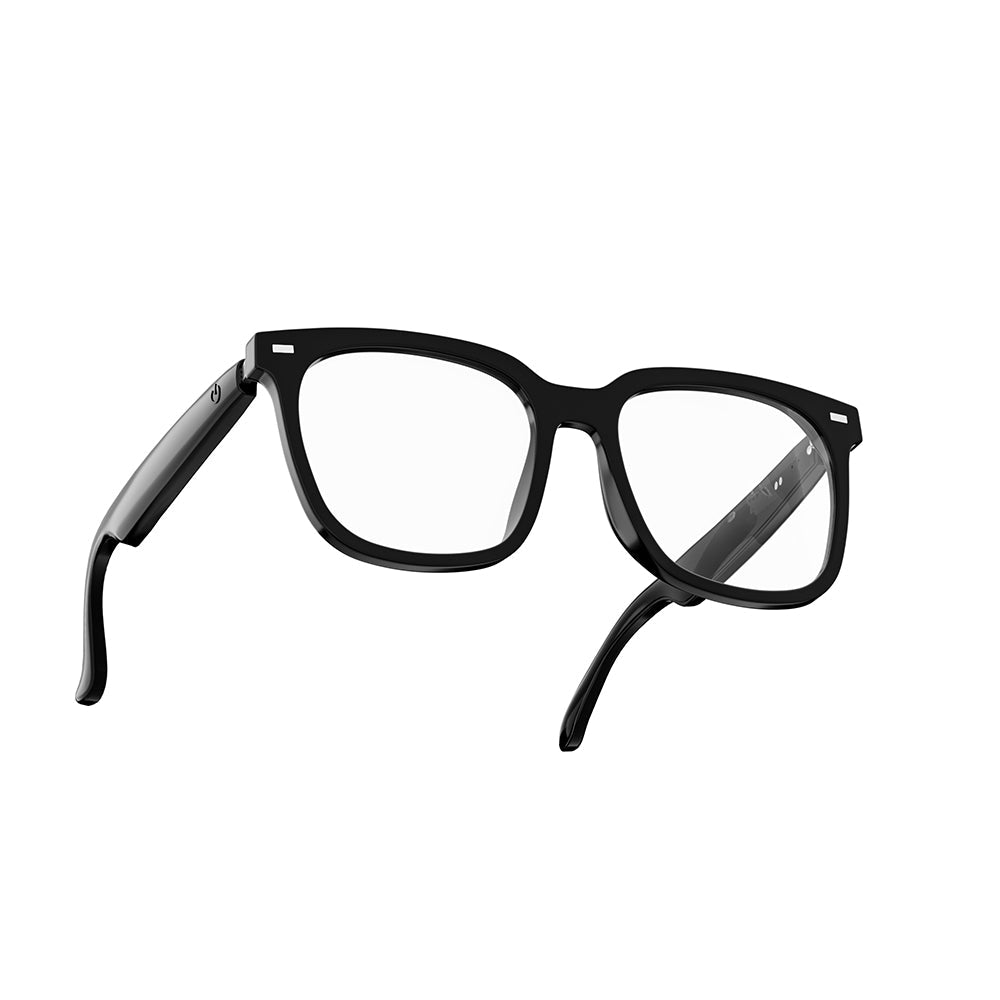
One of the most noticeable aspects of the A15 is how normal it feels to wear. At just 35 grams, the glasses are significantly lighter than many smart wearables, making them suitable for extended use throughout the day.
The frame uses a combination of ABS, PC, and metal, offering structural strength without unnecessary bulk. This material choice ensures the glasses feel solid and premium while remaining lightweight enough for daily wear.
Importantly, the A15 does not look overly “tech-heavy.” Its clean, understated design allows it to blend naturally into professional, casual, and travel settings.
Comfort as a Core Feature
Comfort is often underestimated in smart devices, but it determines long-term usability. The A15’s balanced weight distribution minimizes pressure on the nose and ears, reducing fatigue during prolonged use.
Because the audio system is open-ear, users avoid the discomfort commonly associated with in-ear headphones—such as ear canal pressure or heat buildup. This makes the A15 particularly suitable for long listening sessions, meetings, or outdoor activities.
Smart technology only works when users want to keep it on. The A15’s comfort-first design ensures that happens.
Simplicity Over Complexity
The A15 avoids unnecessary buttons or complicated gestures. Instead, it relies on intuitive touch controls placed naturally along the temple of the glasses.
With simple taps or swipes, users can:
• Play or pause music
• Answer or end calls
• Switch tracks
• Activate AI voice assistance
This simplicity shortens the learning curve and allows users to focus on their tasks rather than the device itself.

Technology That Stays in the Background
A key design principle behind the A15 is subtle intelligence. AI features such as voice assistance, translation, and smart recording are always available—but never intrusive.
The glasses do not demand constant attention. Instead, they respond when needed and remain unobtrusive otherwise. This makes the A15 feel less like a gadget and more like a natural extension of everyday life.
A Design That Supports Real Usage
From commuting and working to traveling and relaxing, the A15 is designed to support real-world behavior. It does not require users to change how they move, speak, or interact—it simply fits into existing routines.
This thoughtful approach to design is what sets the A15 apart from many experimental smart wearables.
Share this post: