Recent Post



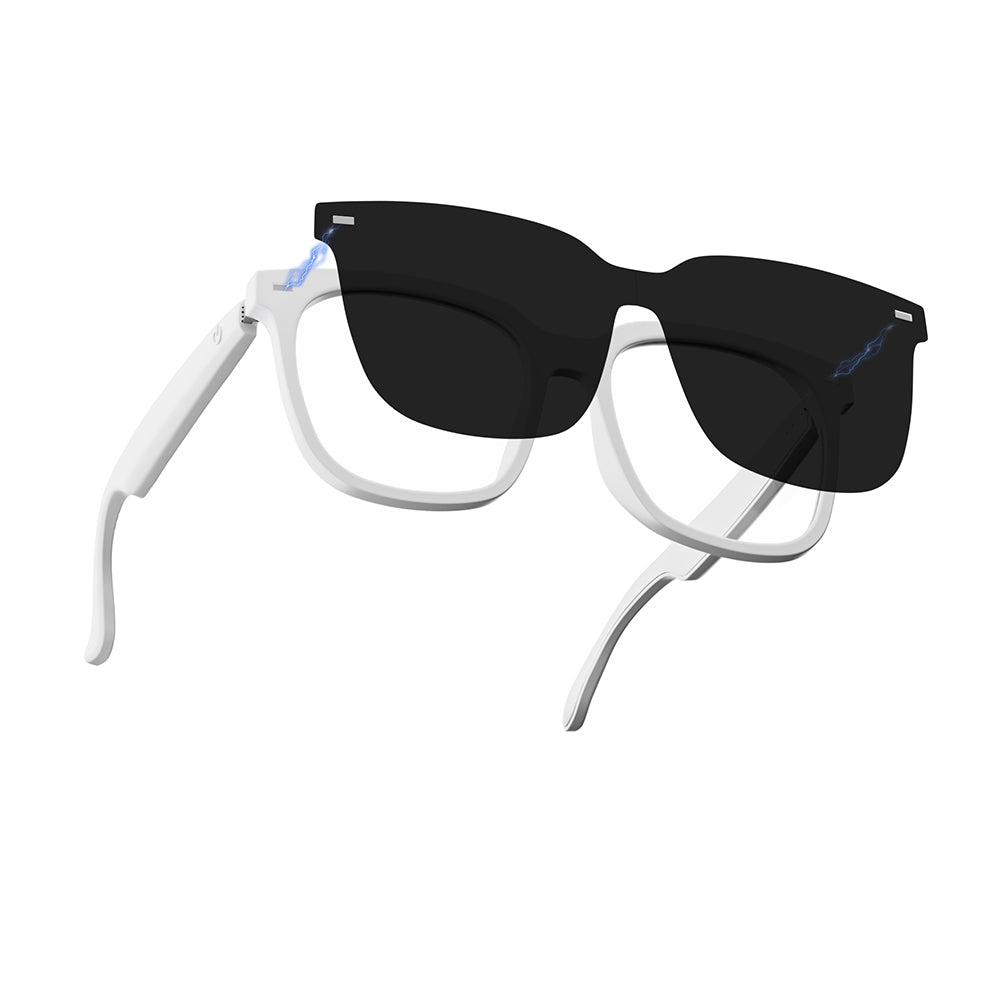
Smart AI Glasses: A Practical Guide to Hands-Free Everyday Technology
Ya Cao
Feb 08, 2026
Smart technology has become deeply embedded in modern life, yet many devices still require constant attention. Smartphones demand screens, earbuds isolate sound, and notifications interrupt focus. Smart AI glasses offer a more practical alternative—bringing intelligence into daily life without demanding visual or physical engagement.
Unlike traditional smart wearables, smart AI glasses prioritize hands-free interaction. Voice commands, open-ear audio, and AI-powered assistance allow users to access information while staying present in their environment.

Why Hands-Free Matters in Daily Life
Hands-free technology is not about convenience alone—it is about efficiency and safety. Whether commuting, working, or multitasking at home, users benefit from accessing calls, information, and reminders without stopping what they are doing.
Smart AI glasses allow users to:
• Answer calls while walking or driving
• Access AI assistance without touching a screen
• Listen to information while remaining aware of surroundings
This creates a more natural flow between digital and physical activities.
Open-Ear Audio for Real-World Awareness
Unlike in-ear headphones, smart AI glasses typically use open-ear audio designs. This allows sound to reach the ears while keeping environmental noise audible. For daily use, this balance is essential.
Users can enjoy music, podcasts, or AI responses without sacrificing awareness—making smart AI glasses suitable for commuting, office environments, and outdoor activities.
AI That Fits Into Your Routine
Through smartphone connectivity and compatible applications, smart AI glasses provide access to AI-powered features such as voice-based Q&A, translation, recording, and reminders. These tools remain available when needed but do not intrude on attention.
This subtle integration is what makes smart AI glasses suitable for long-term use.
A Natural Step Forward
Smart AI glasses are not meant to replace phones or computers. Instead, they act as a supportive layer—reducing friction and making technology more human-centered.
Share this post: