Recent Post
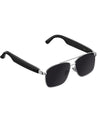


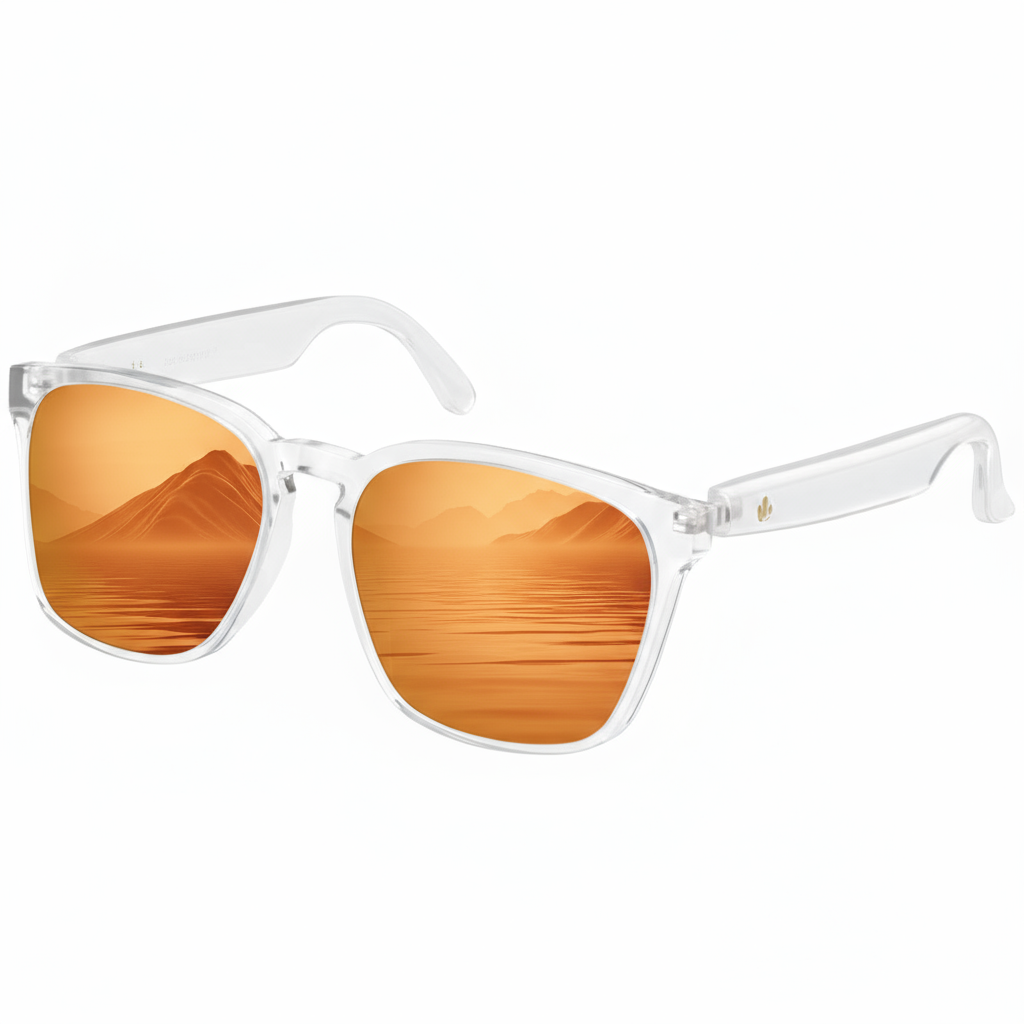
The Rise of AI Smart Glasses: Why They Are Becoming the Next Essential Personal Device
Ya Cao
Dec 15, 2025
Over the past decade, technology has shifted rapidly from handheld devices to wearable intelligence. Smartwatches, fitness bands, Bluetooth headsets—all of them changed how we interact with information. But in 2025, a new transformation is taking place: the rise of AI smart glasses.
These lightweight, AI-powered visual wearables are quickly becoming the most important personal device after the smartphone, offering real-time assistance, intuitive interaction, and unprecedented convenience.

A New Interface for Human–AI Interaction
AI smart glasses represent a major step in human–computer interaction. Instead of pulling out a phone, tapping a screen, or switching apps, users simply speak naturally. The device listens, interprets, and responds instantly. Whether you need directions, a translation, a formula explained, or a reminder created, the glasses act as a seamless extension of your thinking process.
With built-in microphones, open-ear audio systems, and an integrated AI assistant, the glasses function like a wearable command center, supporting tasks such as:
Real-time translation across dozens of languages
Quick access to knowledge or instructions
Productivity tasks such as note-taking, summaries, or reminders
Hands-free navigation and lifestyle management
This new interface reduces friction to nearly zero, enabling information access that feels almost telepathic.
A Lightweight Alternative to Mixed Reality Headsets
While VR and AR headsets create immersive environments, AI smart glasses focus on practicality.
They maintain the familiar shape of everyday eyewear—no bulky screens, no heavy visors—while enhancing the user’s cognitive capabilities.
This makes them ideal for continuous daily use. Commuters, travelers, students, athletes, and professionals alike benefit from the lighter, more discreet form factor.
The Role of AI in Elevating Wearable Technology
Previously, smart glasses relied on static functions: showing notifications, playing audio, and connecting to Bluetooth. Modern AI glasses, however, use generative AI models to analyze requests, understand context, and deliver meaningful value.
You can ask:
“Explain this concept to me.”
“Translate what this person just said.”
“Help me write an email.”
“Give me a summary of the article I’m reading.”
And the assistant doesn't just respond—it adapts, adjusting tone, style, and complexity based on the user.

Why AI Smart Glasses Are Becoming Mainstream
Three major trends are driving adoption:
1.1 The Move Toward Hands-Free Technology
People are increasingly looking for ways to reduce screen time while maintaining efficiency. AI glasses enable tasks without ever reaching for a phone.
1.2 The Globalization of Lifestyles
Travel, remote work, and multilingual communication are more common than ever. Instant translation and navigation support make AI glasses the perfect companion.
1.3 The Rise of AI as a Personal Assistant
People rely on AI for writing, planning, searching, and decision-making. AI glasses integrate this support directly into everyday life.
A Glimpse Into the Future
As AI becomes more powerful, smart glasses may evolve to include subtle visual overlays, biometric insights, context-aware suggestions, and even personalized learning assistance. They are positioned to become the core wearable device—not just an accessory, but a personal intelligence partner.
AI smart glasses represent a meaningful step toward a future where technology becomes truly invisible yet incredibly powerful.
Share this post: